Introduction: Ceramic toilets play a crucial role in modern sanitary systems, providing efficient waste management and hygiene. To ensure the quality and reliability of these essential fixtures, rigorous inspection standards are necessary. This article explores the inspection standards for finished ceramic toilets, covering various aspects such as appearance, dimensions, water absorption, crack resistance, structure, drainage, load resistance, compatibility of flushing devices, sealing requirements, and packaging.
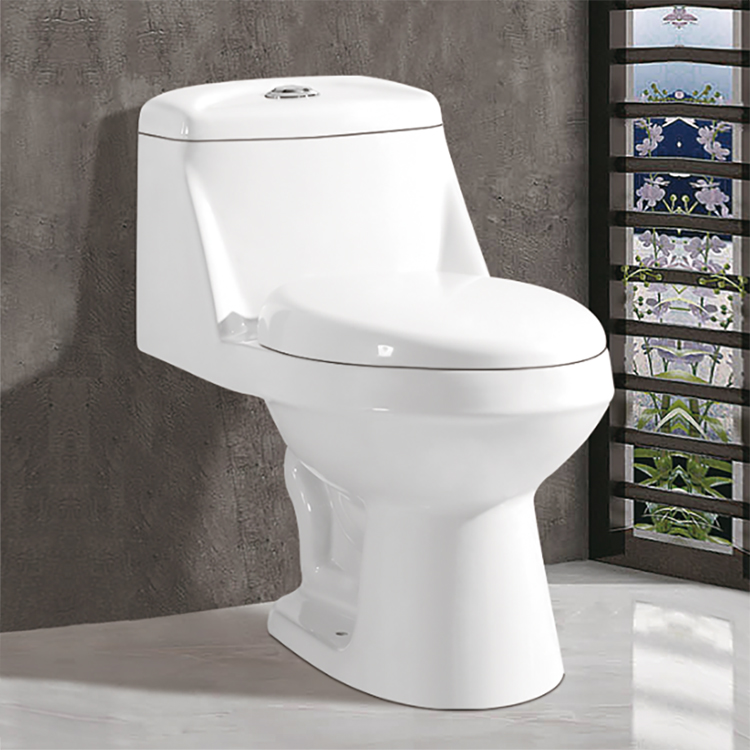
1.Appearance Requirements:
a) Color Difference: The ceramic toilets should exhibit uniform coloration without noticeable variations. Color deviation can be detected visually under standardized lighting conditions.
b) Surface Oil Layer and Flatness: The surface should be free from any oil layer or irregularities. Inspection is conducted by visual examination and tactile assessment.
c) Pinholes, Black Spots, and Cracks: The toilet’s surface should be free from pinholes, black spots, and cracks. Visual inspection is carried out to identify any imperfections.
d) Billet Cracks and Glaze Cracks: Both the ceramic body and glaze should be inspected for cracks. A visual examination and careful observation can detect these defects.
e) Caves, Painting, Brown Eyes, Stains, Pits, Bumps, and Glaze Bubbles: These defects are examined visually, and any abnormalities in the toilet’s surface are noted.
2.Dimensions:
a) Height: The height of the toilet is measured using a calibrated measuring instrument.
b) Hole Diameter: The diameter of the toilet’s hole is measured using appropriate tools.
c) Roundness of Smoke Control: A measuring device is used to assess the roundness of the smoke control opening.
d) Center of Gravity Distance of Smoke Control Installation: The center of gravity distance is determined by measuring from the smoke control’s center to the toilet’s reference point.
e) Installation Distance of Sewage Outlet: The distance between the center of the sewage outlet and the reference point is measured accurately.
f) Flatness of Installation Part: The flatness of the installation part is inspected visually and using a flatness measuring tool.
g) Verticality of Installation Hole: The verticality of the installation hole is measured using a level or a similar instrument.
3.Water Absorption:
Water absorption tests are conducted to determine the toilet’s ability to resist water infiltration. The test involves immersing the toilet in water for a specific period and measuring the weight difference before and after immersion. Lower water absorption indicates higher quality.
4.Crack Resistance:
The crack resistance of the ceramic toilet is assessed by subjecting it to impact or pressure tests. The toilet is inspected for cracks or any visible damage after the test.
5.Structure:
a) Ligand Thickness and Glaze Layer Thickness: The thickness of the ligand and glaze layers is measured using appropriate tools.
b) Water Seal Depth and Area: The water seal depth and area are measured to ensure effective sealing and prevent odor leakage.
c) Adaptability: The toilet’s adaptability to various installation conditions and sanitary fittings is assessed by examining the compatibility of different components.
6.Drainage:
a) Minimum Solids Calculation: The toilet’s ability to flush away solid waste is determined by conducting tests using standardized solid waste simulators.
b) Ink Line Test: The ink line test checks the effectiveness of water flow during flushing. The toilet is inspected for proper ink dispersion.
c) Ball Discharge Test and Particle Test: These tests evaluate the toilet’s ability to discharge solid waste efficiently. The toilet is examined for proper ball movement and the absence of clogging.
d) Water Seal Recovery: After flushing, the water seal’s recovery time is measured to ensure proper sealing.
e) Water Consumption and Sewage Replacement: The toilet’s water consumption and the amount of sewage replaced during flushing are measured to determine the efficiency of water usage and waste disposal.
f) Splash Resistance: The toilet’s splash resistance is assessed by conducting tests to ensure that water remains contained within the toilet bowl during flushing.
7.Load Resistance:
The load resistance of the ceramic toilet is evaluated by subjecting it to a specified amount of weight or pressure. The toilet should withstand the load without any structural deformation or damage.
8.Compatibility of Flushing Device:
a) Technical Requirements for Flushing Device: The compatibility of the toilet with different types of flushing devices is assessed by testing their functionality and fit.
b) Technical Requirements for Safe Water Level: The safe water level of the toilet is determined to prevent overflow and ensure optimal water usage. This is measured and adjusted accordingly.
9.Sealing Requirements for Links:
The sealing requirements for links refer to the connections between the toilet and other sanitary fittings, such as water supply pipes and drainpipes. Proper sealing is crucial to prevent leaks and ensure efficient operation.
10.Packaging:
The packaging of finished ceramic toilets is inspected to ensure adequate protection during transportation and storage. The packaging should be sturdy, properly labeled, and provide sufficient cushioning to prevent breakage or damage.
Conclusion: Strict inspection standards for finished ceramic toilets are essential to guarantee their quality, durability, and functionality. From appearance requirements to dimensions, water absorption, crack resistance, structure, drainage, load resistance, compatibility with flushing devices, sealing requirements, and packaging, each aspect is carefully evaluated using appropriate detection methods. By adhering to these comprehensive standards, manufacturers can deliver high-quality ceramic toilets that meet the expectations of consumers in terms of performance, aesthetics, and reliability.